How do I store Nylon filament?
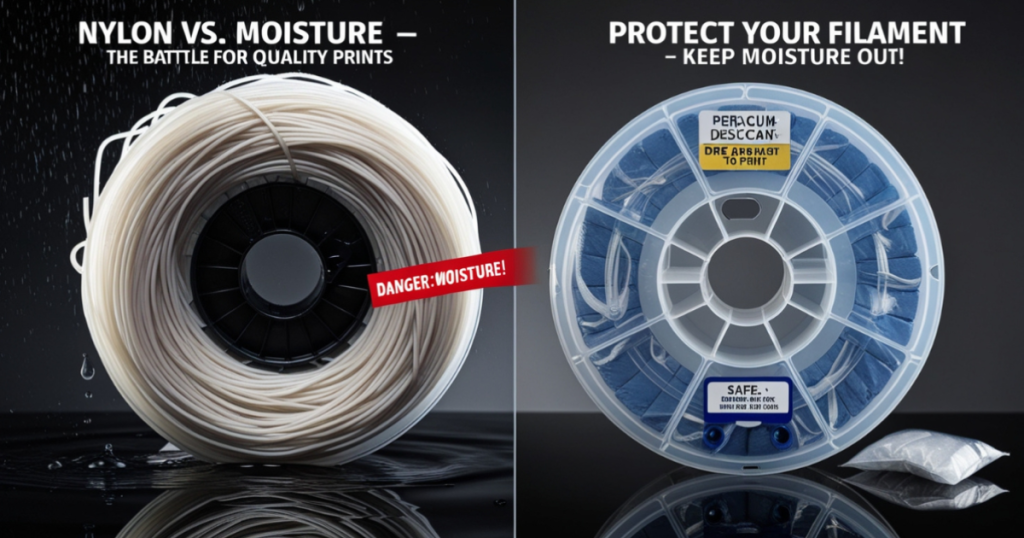
Storing Nylon filament properly is essential to maintain its quality and prevent moisture absorption, as Nylon is highly hygroscopic and can absorb moisture from the air. Here’s how to store Nylon filament effectively:
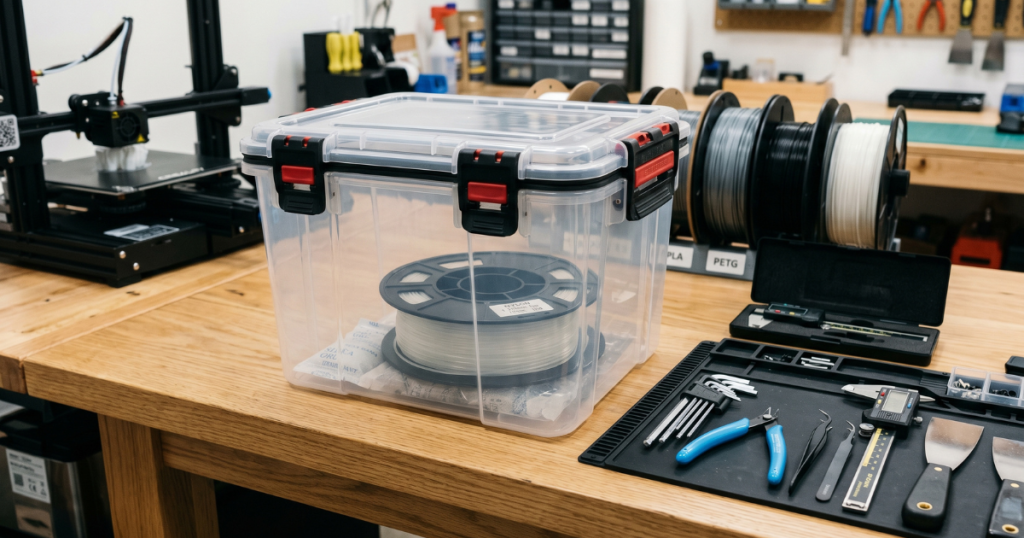
1. Use Airtight Containers
- Method: Store Nylon filament in airtight containers to keep moisture out.
- How to Do It:
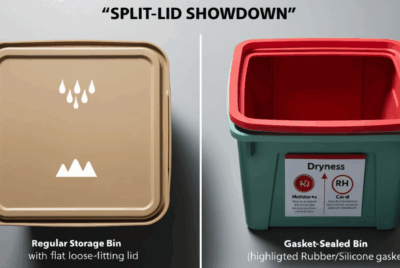
- Use plastic bins with tight-fitting lids or specially designed filament storage boxes.
- Ensure the container is large enough to fit the spool without crushing it.
- Benefit: Airtight containers create a sealed environment, preventing moisture from being absorbed by the filament.
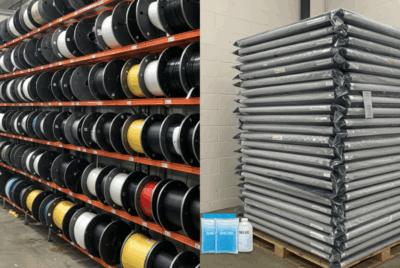
2. Vacuum-Sealed Bags
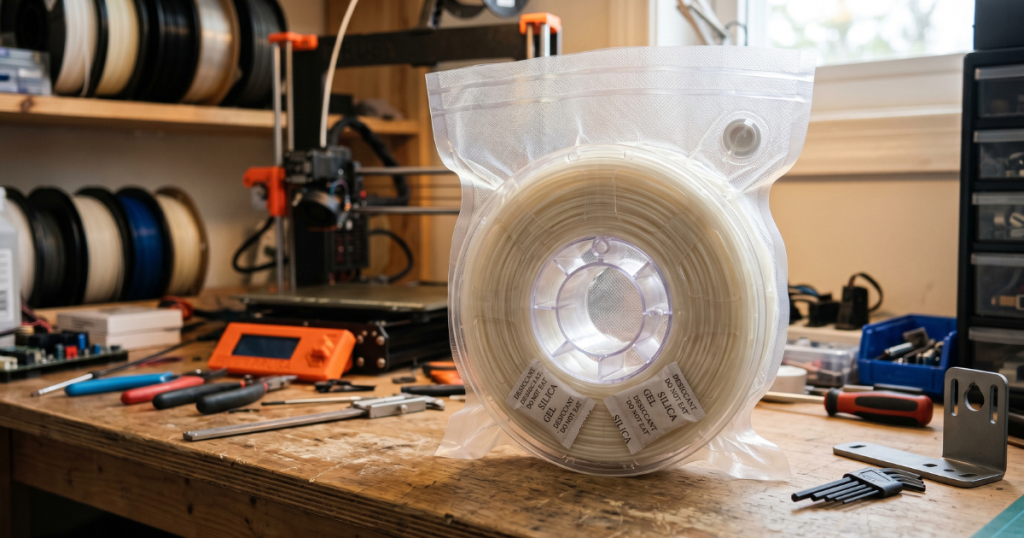
- Method: Vacuum-sealing is one of the best methods for long-term storage of Nylon filament.
- How to Do It:
- Place the Nylon spool in a vacuum-seal bag along with a desiccant packet (such as silica gel).
- Use a vacuum sealer to remove air and create a moisture-free environment.
- Benefit: Vacuum-sealed bags effectively protect the filament from moisture and air, preserving it in optimal condition.
👉 Vacuum storage dramatically slows moisture absorption for highly hygroscopic materials like Nylon.
👉 Check Vacuum Filament Storage Kits on Amazon
3. Desiccant Packs
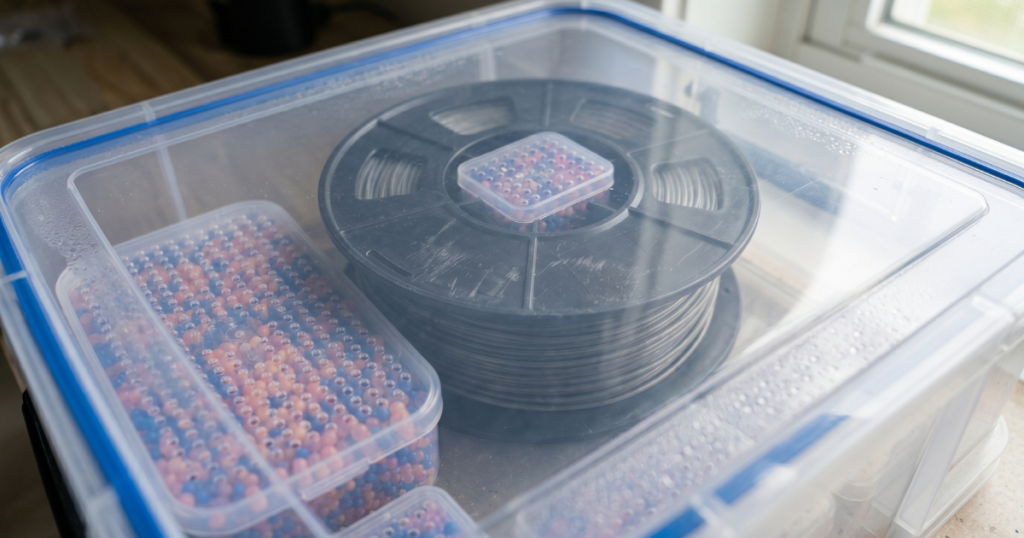
- Method: Desiccants help absorb moisture in your storage container or bag.
- How to Do It:
- Add silica gel or clay desiccant packets inside your airtight container or vacuum-sealed bag.
- Use enough desiccants to absorb any moisture in the air inside the container.
- Benefit: Desiccants help prevent moisture from building up and keep Nylon dry, especially if stored for extended periods.
4. Store in a Cool, Dry Place
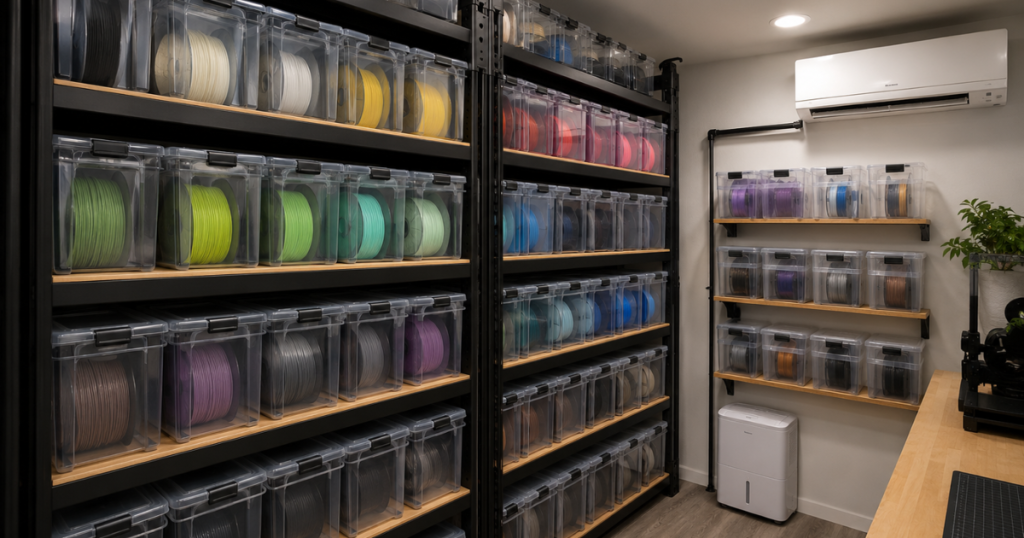
- Method: Keep your Nylon filament in a cool and dry location away from heat sources and high humidity.
- How to Do It:Store the filament in a temperature-controlled room with temperatures between 10°C to 25°C (50°F to 77°F).
- Avoid storing it in places like basements, attics, or areas with fluctuating temperatures and humidity, such as bathrooms or kitchens.
- Benefit: Stable, low-humidity environments help preserve the filament’s quality and prevent moisture absorption.
5. Avoid Direct Sunlight
- Method: UV light can degrade Nylon filament over time, causing it to become brittle and discolored.
- How to Do It:
- Store your Nylon filament in opaque containers or bags to block out UV light.
- Avoid placing the filament near windows or areas with direct sunlight exposure.
- Benefit: Protecting the filament from UV rays ensures it maintains its strength, color, and printability.
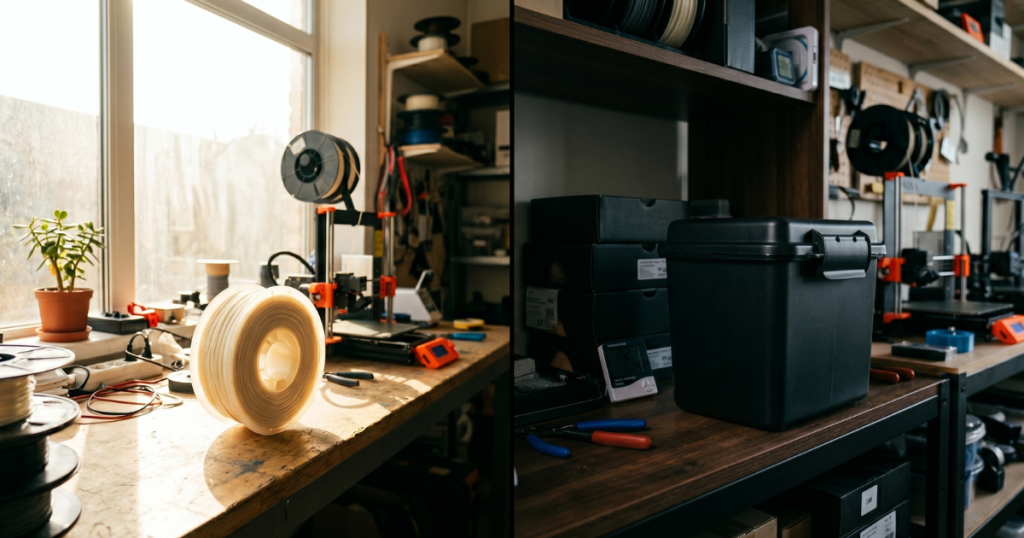
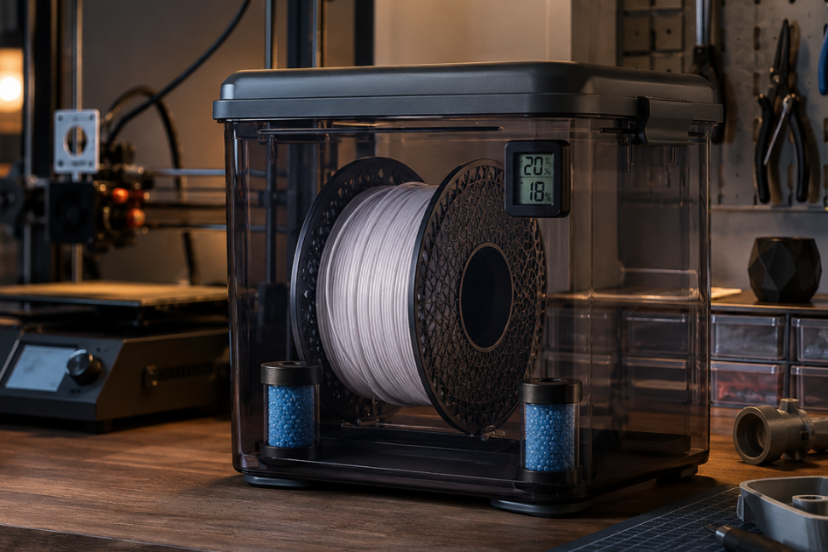
6. Use Filament Storage Dry Boxes
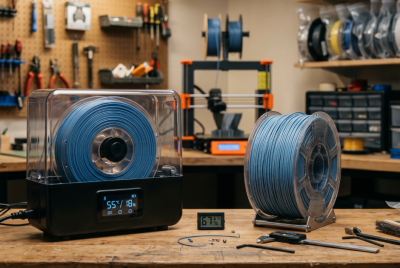
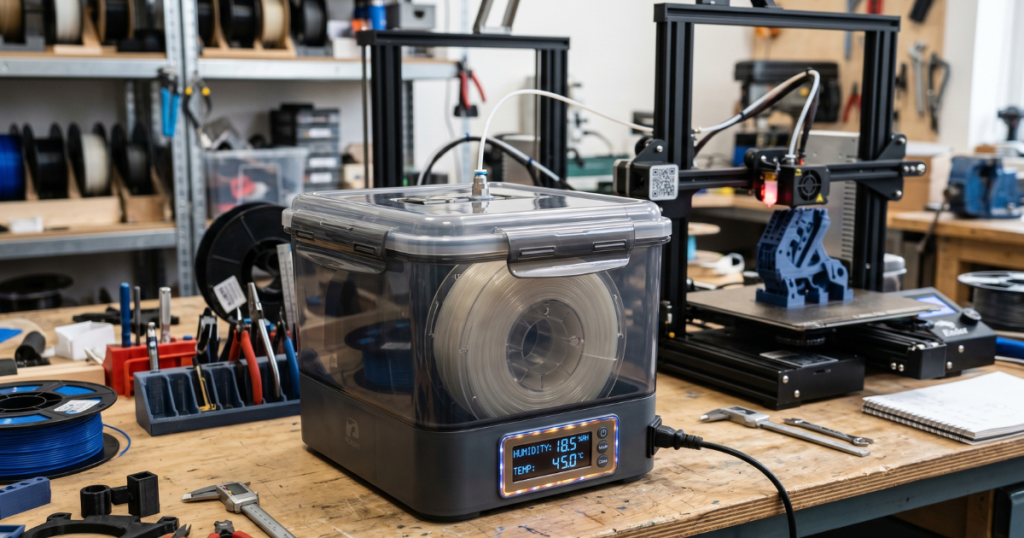
- Method: Filament storage dry boxes are specially designed to store filament while controlling humidity and temperature.
- How to Do It:
- Place the Nylon spool in a dry box with built-in desiccants and humidity control features.
- Some dry boxes also offer adjustable temperature settings to help maintain the ideal environment for filament.
- Benefit: Dry boxes keep Nylon filament in a consistent environment, ensuring it stays dry and print-ready.
👉 Protect Nylon Filament From Moisture Damage:
Electronic Filament Dryer Box
Vacuum Filament Storage Bag Kit
Rechargeable Silica Gel Desiccant Containers
7. Avoid Storing Nylon in High-Humidity Areas
- Method: High humidity can cause Nylon filament to absorb moisture, which can lead to poor print quality.
- How to Do It:
- Keep Nylon filament away from damp or humid areas.
- Use a dehumidifier in storage areas if necessary to maintain low humidity levels.
- Benefit: Prevents filament from absorbing moisture, ensuring it stays in top condition.
👉 Monitoring humidity levels can help prevent Nylon filament from becoming brittle, stringy, or difficult to print.
Digital Hygrometer for Filament Storage
Small Room Dehumidifier for Print Rooms
🔧 Upgrade Your Nylon Filament Storage Setup:
Electronic Filament Dryer
Airtight Filament Storage Containers
Rechargeable Silica Gel Packs
By following these storage practices, you can protect your Nylon filament from moisture and environmental damage, ensuring it performs well and delivers high-quality prints.