What are the best bed adhesion methods?
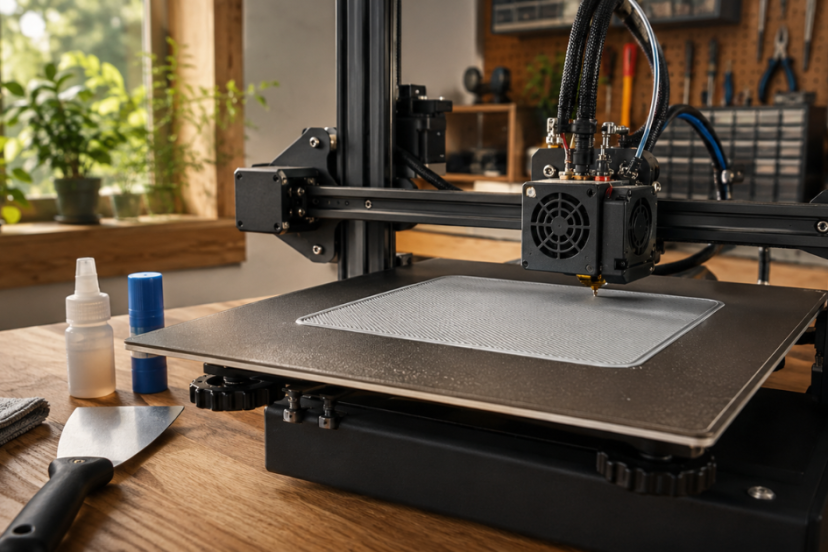
Good bed adhesion is essential for ensuring that your 3D prints stick to the print bed during the printing process, especially for the first few layers. Poor adhesion can lead to print failures, warping, or shifting. Here are the best bed adhesion methods to improve the chances of a successful print:
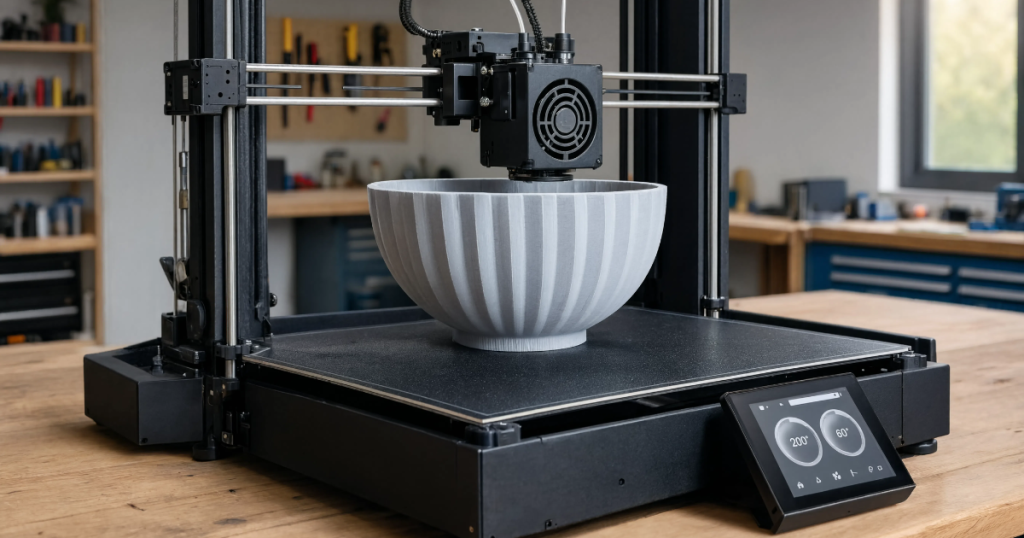
👉 Consistent bed temperatures are one of the easiest ways to improve first-layer reliability across multiple filament types.
👉 Check PEI Build Surface on Amazon
1. Heated Bed
- Why It Helps: A heated bed keeps the first layer warm, preventing warping and helping the filament adhere better to the surface.
- How to Do It:
- For PLA, set the bed temperature to 50°C to 60°C.
- For ABS, set the bed temperature to 90°C to 110°C.
- For PETG, set the bed temperature to 70°C to 80°C.
- Benefit: A heated bed reduces the chances of warping and ensures a better first layer adhesion for many filament types.
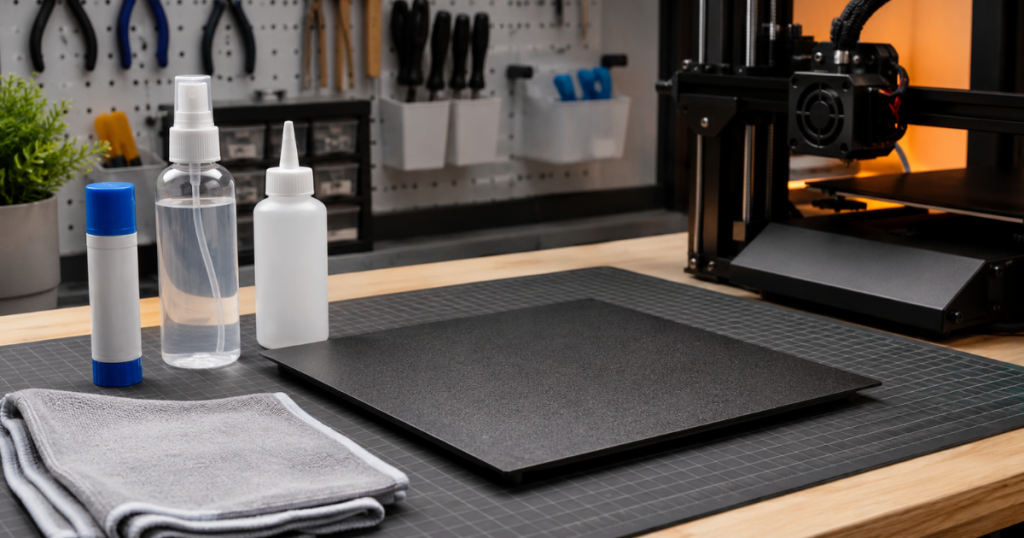
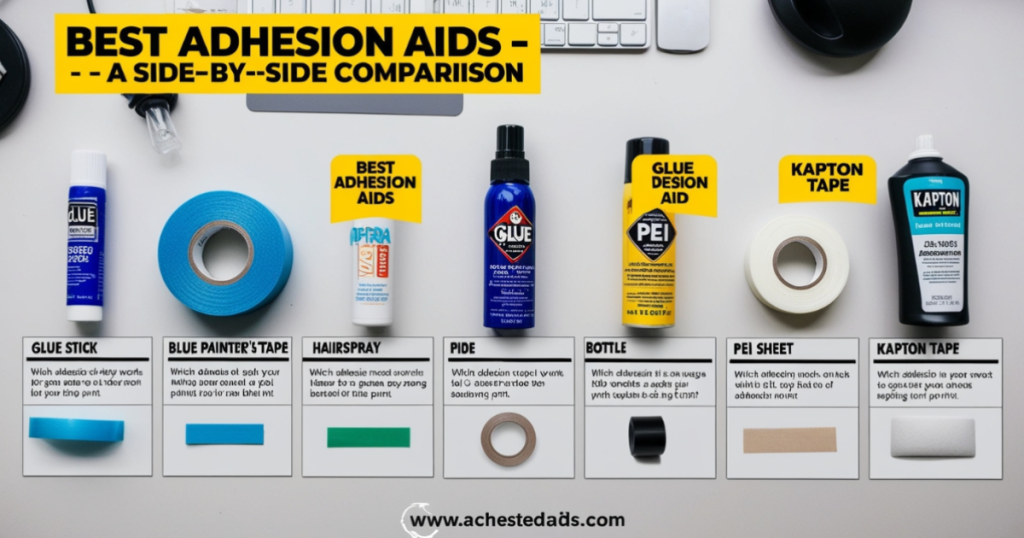
2. Use of Adhesion Aids (Glue Stick, Hairspray, etc.)
- Why It Helps: Adhesion aids create a thin layer between the filament and the bed, improving the bond between the print and the surface.
- How to Do It:
- Glue Stick: Apply a thin layer of glue stick on the print bed for a smooth, consistent layer of adhesion.
- Hairspray: Lightly spray a layer of hairspray on the bed (ensure it’s an even, thin layer) for materials like PLA, ABS, and PETG.
- Magigoo or Other Bed Adhesion Liquids: Use products like Magigoo that are specifically designed for 3D printing adhesion.
- Benefit: These adhesion aids are especially useful for filaments that are prone to warping or don’t adhere well to certain surfaces (e.g., ABS).
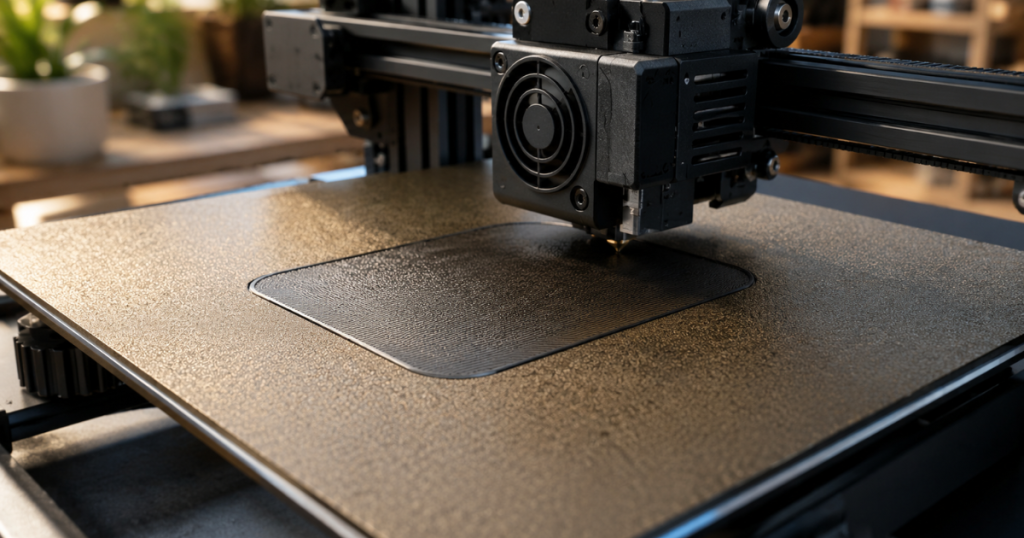
3. PEI (Polyetherimide) Sheets
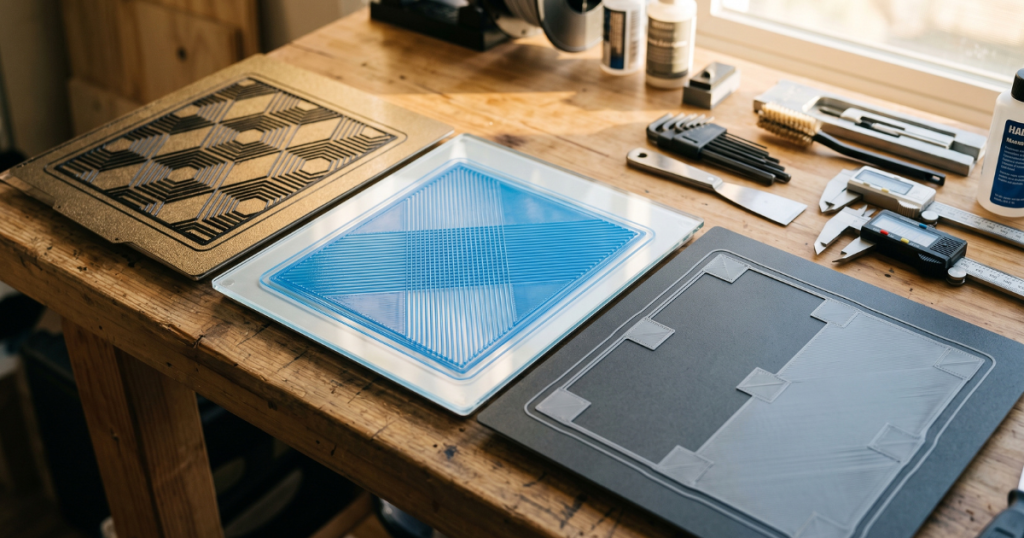
- Why It Helps: PEI sheets are a popular and effective solution for improving bed adhesion. They provide excellent adhesion for a variety of filaments and are reusable.
- How to Do It:
- Install a PEI sheet on your print bed. PEI works well with PLA, ABS, PETG, and many other filaments.
- For PLA, no additional adhesion aids are typically needed, but for other materials like ABS, you might need a heated bed for optimal results.
- Benefit: PEI provides a reliable surface for consistent bed adhesion, reduces the need for additional adhesives, and is easy to clean.
4. Blue Painter’s Tape
- Why It Helps: Blue painter’s tape is a low-cost and effective solution for improving adhesion, especially for PLA.
- How to Do It:
- Apply blue painter’s tape to the print bed, ensuring no air bubbles or wrinkles.
- For PLA, simply printing on the tape should provide enough adhesion.
- For ABS, you may still need a heated bed or additional adhesion aids.
- Benefit: It provides a slightly textured surface that improves adhesion, especially for PLA, and it’s easy to remove after printing.
5. BuildTak or Similar Adhesive Surfaces
- Why It Helps: BuildTak is a flexible, durable adhesive surface that improves adhesion without the need for additional adhesives.
- How to Do It:
- Apply a BuildTak sheet to your print bed. It’s compatible with many filaments like PLA, ABS, PETG, and more.
- After printing, simply peel the print off the BuildTak surface.
- Benefit: BuildTak creates an excellent bond with many filaments and is reusable. It is especially useful for prints that require a strong hold, like ABS.
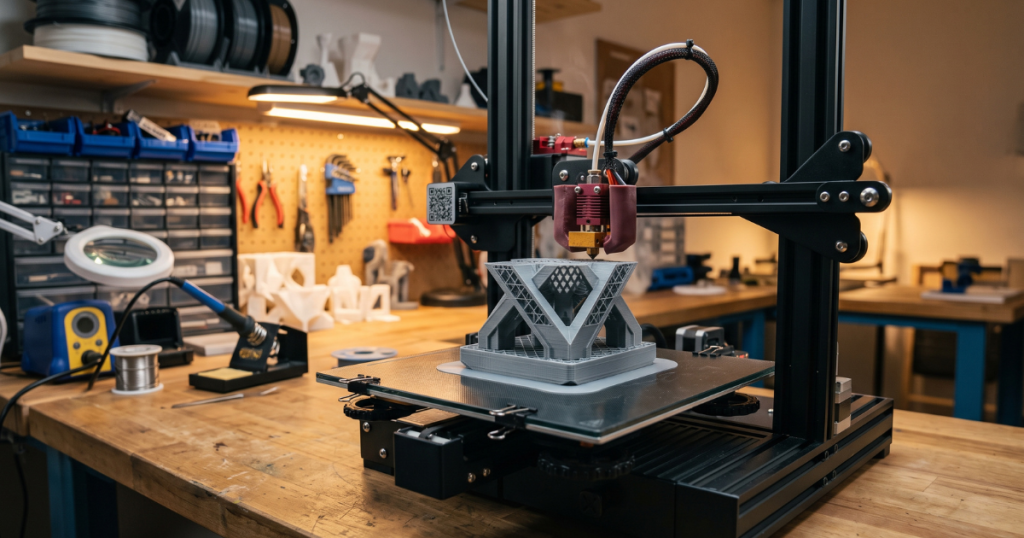
👉 Small contact-area prints often benefit from slicer-based adhesion techniques combined with a reliable print surface.
👉 Check PEI Build Surface on Amazon
6. Rafts and Brims
- Why It Helps: Rafts and brims are additional layers of material used to increase the adhesion area, which is especially useful for prints with a small contact area on the bed.
- How to Do It:
- Raft: A raft is a layer of material printed beneath your model to ensure strong bed adhesion. It’s ideal for prints with a small surface area or materials that are prone to warping.
- Brim: A brim is a thin extra layer of filament printed around the edges of your print, which increases adhesion and helps prevent warping.
- Benefit: Rafts and brims can prevent warping and help ensure that the first layer adheres well, especially for difficult-to-print models.
7. Glass Bed
- Why It Helps: Glass beds provide a smooth, flat surface that can improve print quality and adhesion. The smooth surface is ideal for PLA and some other filaments.
- How to Do It:
- Use a glass bed with or without a heated bed, depending on the filament being used.
- For better adhesion, apply a glue stick or hairspray to the glass bed.
- Benefit: Glass beds are easy to clean, offer a very flat printing surface, and produce high-quality results, particularly with PLA.
8. Kapton Tape (Polyimide Tape)
- Why It Helps: Kapton tape is another adhesive surface that works well with materials like ABS and PETG, which tend to warp easily.
- How to Do It:
- Apply Kapton tape to the bed, covering the entire surface.
- For ABS, set the bed to a high temperature (90°C-110°C) for optimal adhesion.
- Benefit: Kapton tape offers excellent adhesion for high-temperature filaments and can withstand the heat of the heated bed without degrading.
9. Clean the Print Bed Regularly
- Why It Helps: Dirt, oils, or residue on the print bed can cause adhesion issues. A clean print bed ensures better first-layer adhesion.
- How to Do It:
- Clean the bed with isopropyl alcohol (preferably 70% or higher) to remove oils and dirt before each print.
- For glass or PEI beds, use a mild detergent to remove any grease or residue that may affect adhesion.
- Benefit: A clean print surface ensures that your filament sticks well to the bed without interference from contaminants.
👉 Improve Bed Adhesion and Reduce Print Failures:
PEI Build Surface
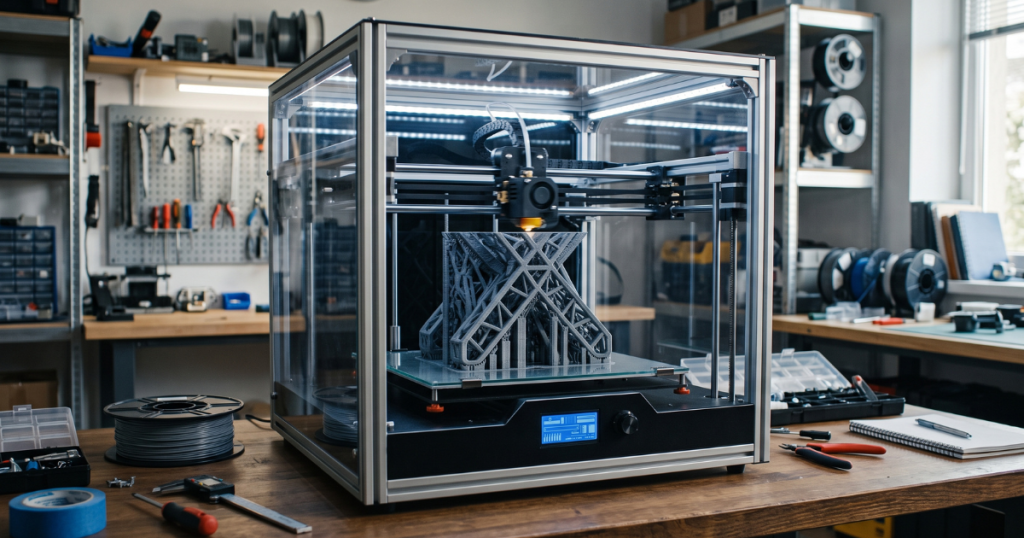
3D Printer Enclosure
Clean Your Build Plate Before Every Print
10. Use an Enclosure (For Certain Filaments)
- Why It Helps: For materials that are prone to warping (e.g., ABS, Nylon), using a printer enclosure helps maintain a consistent temperature during printing.
- How to Do It:
- If your printer doesn’t come with an enclosure, consider building one or purchasing an aftermarket enclosure.
- Keep the enclosure closed to ensure the print area stays at a stable temperature.
- Benefit: An enclosure reduces the chance of drafts or temperature fluctuations that can affect print adhesion and cause warping.
🔧 Upgrade Your Bed Adhesion Setup:
PEI Build Surface
3D Printer Enclosure
Clean Your Build Plate Before Every Print
Summary of Best Bed Adhesion Methods:
- Heated Bed: Ensure the right bed temperature for your filament.
- Adhesion Aids: Use glue stick, hairspray, or PEI sheets to improve adhesion.
- Rafts and Brims: Use these for prints with small contact areas or for filaments that warp easily.
- Glass Bed: Smooth, easy-to-clean surface for PLA and other filaments.
- Kapton Tape: Ideal for high-temperature filaments like ABS.
- Clean the Bed: Regularly clean the print bed to remove dirt and oils.
- Enclosure: Use for filaments prone to warping (e.g., ABS, Nylon).
By using the right bed adhesion method for your specific filament and printer setup, you can significantly improve the chances of a successful print, reduce warping, and ensure that your prints stay securely attached to the bed throughout the process.